National Integrity and
Truth Verification Program (NITVP)
A national initiative focused on institutional integrity, human risk prevention, and professional credibility assessment.
The National Integrity and Truth Verification Program (NITVP) is a structured and preventive initiative designed to strengthen institutional decision-making through specialized risk interviews, credibility assessment methodologies, and ethical compliance standards.
The program operates under a scalable national model, supporting organizations in sensitive sectors that require enhanced integrity controls and risk mitigation strategies.

Our Mission
To support organizations operating in sensitive and high-responsibility sectors by implementing structured integrity programs, specialized risk interviews, and credibility assessment methodologies, always aligned with legal and ethical standards in the United States.
National Scope and Public Interest
The National Integrity and Truth Verification Program (NITVP) is structured as a scalable and nationally replicable initiative designed to strengthen institutional integrity across multiple jurisdictions. The program supports organizations operating in critical sectors by implementing preventive, standardized, and ethically grounded credibility assessment processes that contribute to public safety, operational stability, and institutional trust throughout the United States.
Program Components
The National Integrity and Truth Verification Program (NITVP) operates through a structured and preventive framework designed to strengthen institutional integrity and reduce human risk in sensitive environments.
Rather than offering isolated services, the program integrates multiple components into a coherent model focused on early risk identification, ethical evaluation, and institutional decision support.
Professional Certifications and Memberships
NITVP conducts structured and professionally guided investigative interviews aimed at identifying potential vulnerabilities, conflicts of interest, or behavioral risk indicators relevant to sensitive roles.
These interviews are conducted under established ethical standards and are designed to support informed decision-making within organizations.
Instrument-Assisted Credibility Assessments
When legally permitted and institutionally appropriate, credibility assessments using polygraph instrumentation may be incorporated as a complementary technical tool within a broader evaluative process.
Polygraph testing is not treated as a standalone mechanism, but as part of a structured methodology led by a qualified examiner, reinforcing reliability and analytical rigor.
Institutional Integrity Advisory
The program provides guidance to organizations seeking to design or strengthen internal integrity frameworks.
This includes assistance in structuring risk evaluation protocols, ethical compliance procedures, and preventive assessment mechanisms aligned with applicable legal and regulatory standards.
Preventive Integrity Training
NITVP offers specialized training focused on human risk awareness, ethical decision-making, and preventive integrity practices.
Training initiatives are designed for authorized personnel and emphasize practical implementation within institutional contexts.
Polygraph Systems Currently Used
Throughout my professional career, I have worked with multiple internationally recognized polygraph systems, which allows me to adapt to different operational, institutional, and technological environments. The main polygraph systems I have used include the following:
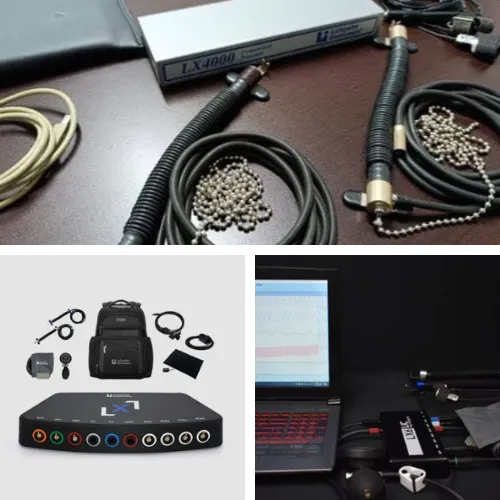
Lafayette Polygraph
The Lafayette polygraph system is one of the most widely used and recognized polygraph instruments worldwide. It is known for its high level of accuracy in recording physiological responses, ease of calibration, and overall technical reliability. I have used Lafayette systems in integrity evaluations, pre-employment screening, and trust assessment processes within sensitive institutional environments.
Stoelting Polygraph
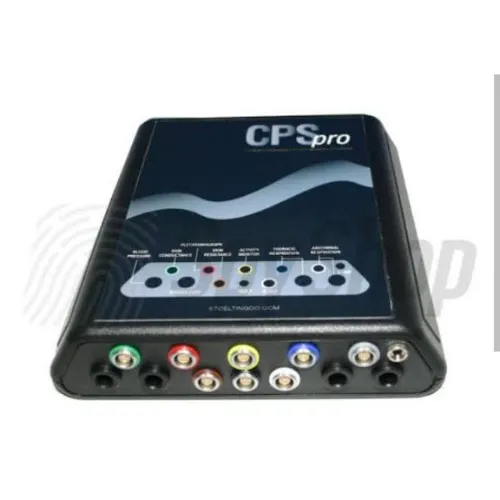
The Stoelting polygraph system is recognized for its technical stability and operational durability, making it suitable for extended examinations and high-demand evaluation settings. I have used this system in contexts that require methodological consistency and strict adherence to professional standards.
Axciton Polygraph
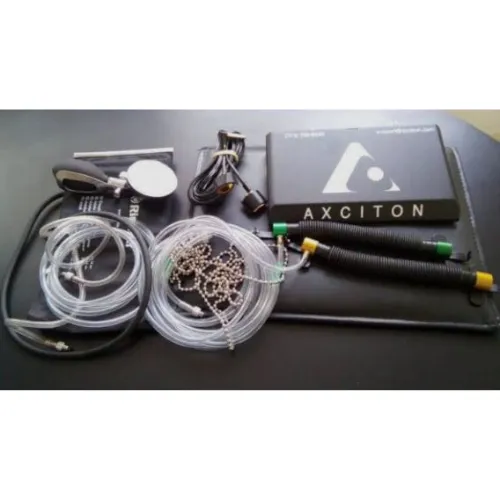
Axciton is an advanced digital polygraph system that allows for detailed analysis of physiological data and integration with modern chart analysis tools. I have used Axciton equipment in specialized evaluations that require high precision, data traceability, and updated technological capabilities.
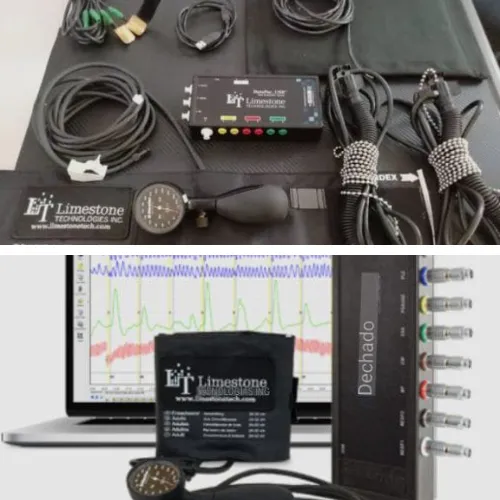
Limestone Polygraph
The Limestone polygraph system is known for its portability and operational efficiency, which makes it suitable for field examinations and mobile evaluation settings. I have used this system in on-site evaluations and projects that require mobility without compromising analytical quality.
About the Founder
The program is led by Guillermo Pérez López, a specialist in integrity assessment, investigative interviewing, and human risk analysis, with experience in federal, state, and private-sector environments.
His professional background combines legal training, forensic and clinical psychology, and certified polygraph expertise. He has participated in sensitive institutional projects focused on risk prevention, credibility assessment, and integrity strengthening.

Education
Specialization in Polygraphy
Ibero-American Institute of Polygraphy (IIBP) – Accredited by SEP
2022 – 2023 | Degree awarded: September 2024
Master’s Degree in Clinical, Legal, and Forensic Psychology
Autonomous University Benito Juárez of Oaxaca (UABJO)
2019 – 2021 | Degree awarded: July 2025
International Instructor Certification
European Polygraph Association (EPA), 2016
Diploma in Polygraphy
Mexican Center for Polygraph and Psychological Analysis (CEMAPP)
January – April 2011 | Certified by the American Polygraph Association (APA)
Bachelor of Laws
National Autonomous University of Mexico (UNAM)
2002 – 2007 | Degree awarded: January 2008
Professional Recognitions and Memberships
Associate Member, American Polygraph Association (APA), since 2015
International Instructor Certification, European Polygraph Association (EPA), 2016
Director of Research and Development, International Association of Polygraph Professionals (AIPP),
2016–2017
Certified Polygraph Specialist endorsed by the Ministry of Education (SEP), 2024
Recognized Lecturer and Academic Collaborator in Polygraphy and Integrity Studies
Professional Value of Multi-System Experience
My experience working with multiple polygraph platforms has allowed me to:
Adapt evaluations to diverse institutional and operational environments
Maintain independent professional judgment regardless of equipment type
Ensure reliable evaluations under internationally recognized professional standards
Operate flexibly across federal, state, and private-sector projects
This multi-system experience strengthens my ability to design and implement credibility and integrity assessment programs, such as the National Integrity and Truth Verification Program (NITVP), supported by a strong technical and professional foundation.
Publications and Intellectual Production
As part of my professional trajectory, I have developed and contributed to various academic and specialized publications related to security, justice, forensic analysis, and the use of the polygraph as a trust verification tool. These publications reflect my commitment to knowledge generation, critical analysis of complex social issues, and the improvement of institutional practices in sensitive contexts.
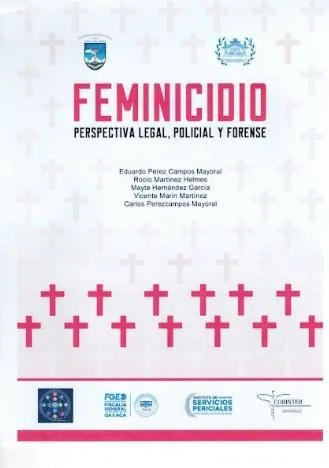
Book: Femicide. Police and Forensic Perspective
This work addresses the issue of femicide in Mexico from a legal, police, and forensic perspective, analyzing the structural challenges faced by the justice system in investigating and prosecuting this crime.
I participated as co-author of Chapter 14, titled “Femicide in Mexico: A Social and Legal Approach,” which analyzes the need to strengthen national strategies, improve the use of existing legal instruments, and ensure proper follow-up in the administration of justice. The chapter highlights how the lack of effective controls and reliable evaluation mechanisms negatively impacts victim protection and public trust in institutions.
The book was published and presented at the Frankfurt International Book Fair (FIL 2021, Germany), providing international visibility.
Copyright belongs to the Faculty of Law and Social Sciences of UABJO and UNAM; however, as a chapter co-author, I am authorized to disseminate my academic contribution.
The work is available for public consultation and free download through official university repositories.
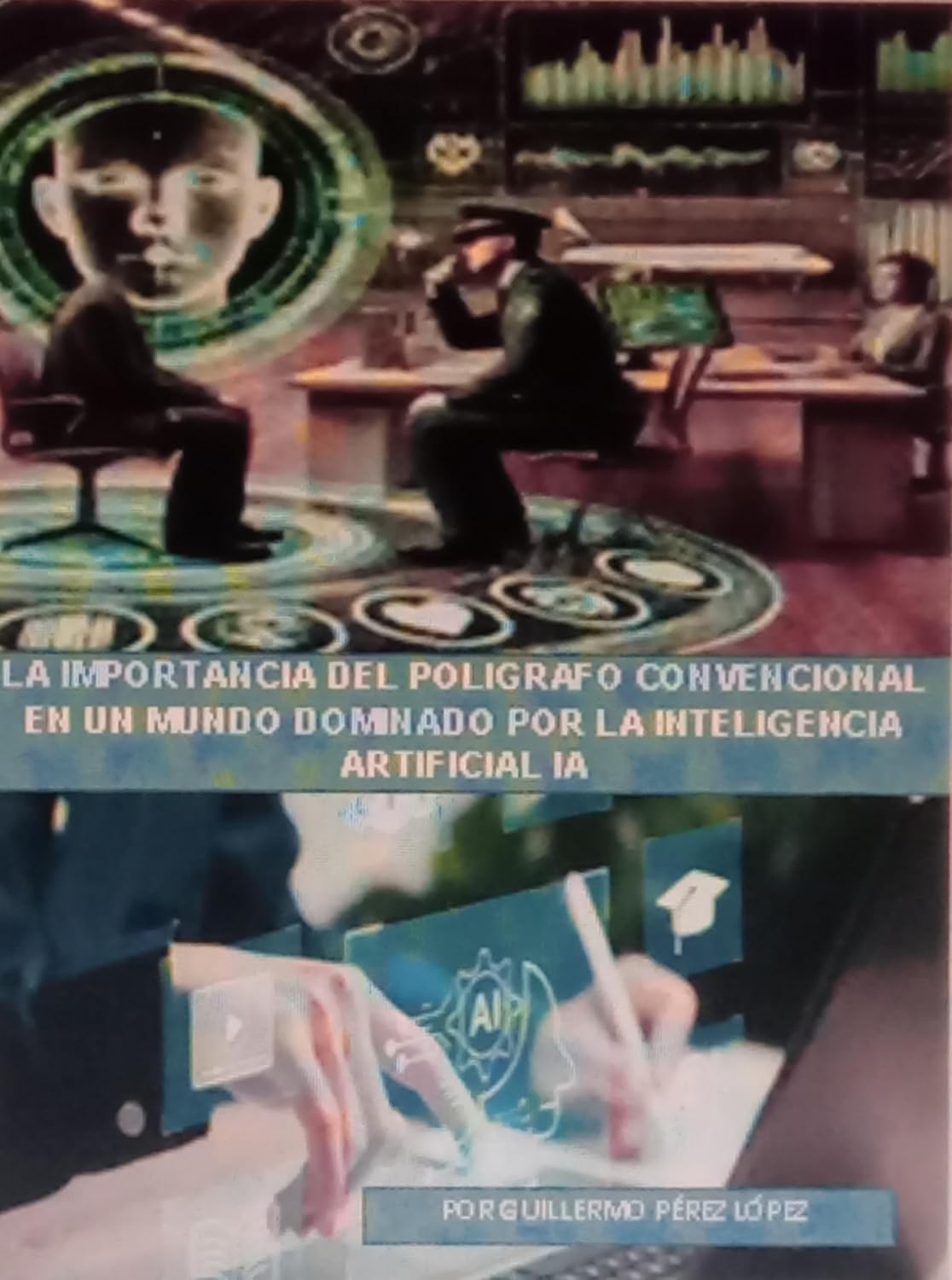
Book: The Importance of the Conventional Polygraph in a World Dominated by Artificial Intelligence (AI)
This publication analyzes the role of the traditional polygraph in contrast to emerging AI-based technologies applied to deception detection and behavioral analysis. The book compares both approaches, highlighting strengths, limitations, and risks associated with replacing validated physiological methods with automated tools lacking specialized human oversight.
It offers a critical reflection on reliability, ethics, and responsible technology use, particularly in security, investigation, and personnel selection contexts.
The book is available in a free dissemination version on LinkedIn and a commercial version on Amazon.
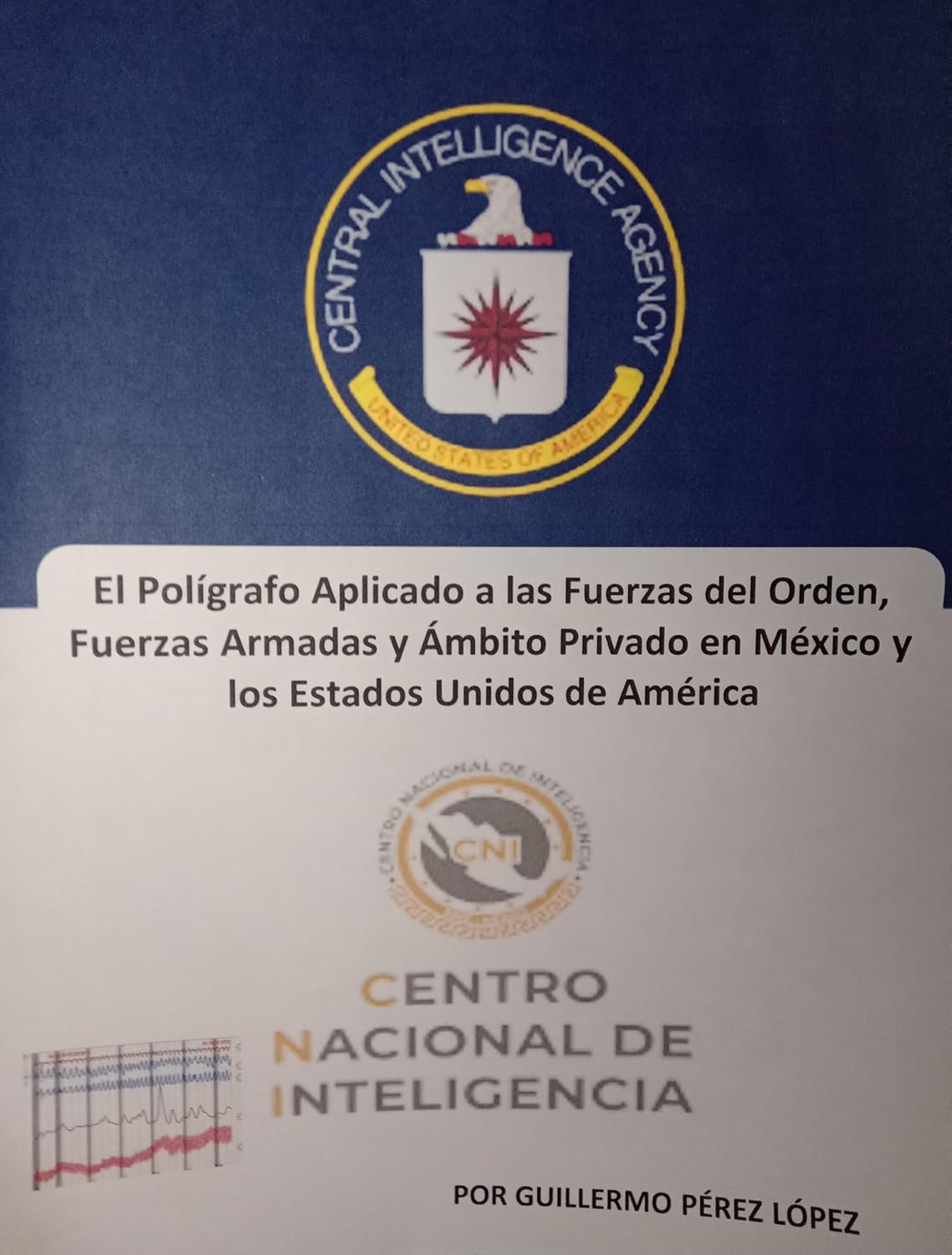
Book: The Polygraph Applied to Law Enforcement, Armed Forces, and the Private Sector in Mexico and the United States of America
This work emerged from the need to rigorously and comparatively analyze the use of the polygraph as a tool for trust verification, security, and personnel selection in public and private institutions.
It examines its application in law enforcement, armed forces, private security, and investigative and pre-employment processes, contrasting experiences from Mexico and the United States. It also explores bilateral cooperation through strategic programs such as Vetted Units, the Mérida Initiative, and the Bicentennial Framework for Security, Public Health, and Safe Communities (2021).
In addition to historical and legal analysis, the book presents best practices, critical insights, and recommendations aimed at security professionals, academics, and policymakers.
Like the previous work, it is available in a free dissemination version on LinkedIn and a commercial edition on Amazon.
© National Integrity and Truth Verification Program (NITVP)